Silver occupies a somewhat distinctive position among precious metals, valued both for its role as a traditional store of value and for its substantial industrial applications, which together contribute to price dynamics that can differ meaningfully from gold’s more purely investment-driven pricing patterns. Learning to read a silver price chart with this context in mind can offer more meaningful insight than looking at price movements alone. This article explores what to look for.
Understanding the Dual Nature of Silver Demand
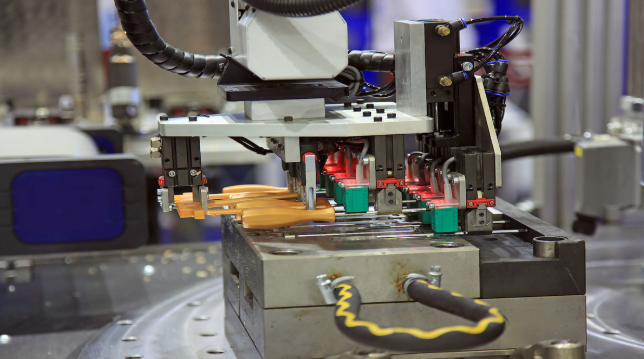
Unlike gold, whose demand is driven predominantly by investment and jewelry use, silver demand is significantly influenced by industrial applications, including electronics, solar panel manufacturing, and various other technical uses, meaning that silver price movements can sometimes reflect industrial demand trends alongside the investment-driven factors more commonly associated with precious metals.
See also: Common Questions About Unit Link Products Answered
Why This Dual Demand Affects Price Volatility
This combination of investment and industrial demand drivers is often cited as a reason silver prices can exhibit somewhat greater volatility than gold, since the metal responds to a broader and sometimes less predictable range of market influences.
Key Elements to Look for on a Silver Price Chart
When reviewing a silver price chart, paying attention to longer-term trend lines, rather than reacting to short-term daily fluctuations, generally provides more meaningful insight into overall market direction. Identifying periods of sustained upward or downward movement, as opposed to isolated single-day spikes, can help distinguish genuine trend shifts from routine market noise.
The Gold-to-Silver Ratio as a Reference Point
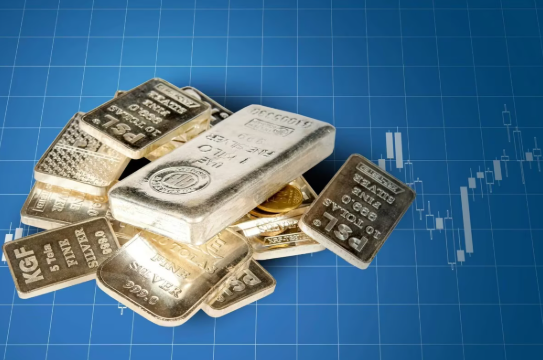
Some market observers reference the ratio between gold and silver prices as an additional data point when evaluating relative value between the two metals, though interpreting this ratio meaningfully requires broader market context rather than viewing it as a standalone predictive indicator. Those wanting to review current pricing trends can explore a silver price chart alongside related market data.
Factors That Commonly Influence Silver Price Movements
Beyond industrial demand, silver prices are also influenced by many of the same macroeconomic factors affecting gold, including currency movements, interest rate policy, and broader investor sentiment during periods of economic uncertainty, making it worth monitoring similar economic indicators when tracking silver alongside gold.
Approaching Silver Price Data With Appropriate Context
As with any commodity price information, silver price charts should be interpreted as one input among several when considering any purchasing or investment decisions, rather than relied upon as a standalone predictor of future performance, and individuals should consider their own circumstances and, where appropriate, professional guidance before making financial decisions.
Frequently Asked Questions
Why is silver often considered more volatile than gold? Silver’s dual role as both an investment asset and an industrial commodity means its price responds to a broader range of market influences, which can contribute to greater price volatility compared to gold.
What does the gold-to-silver ratio actually measure? It reflects how many ounces of silver it would take to equal the value of one ounce of gold at current prices, and is sometimes used as a reference point for assessing relative value between the two metals.
Should I focus on short-term price spikes or longer-term trends when reading a silver price chart? Longer-term trend lines generally provide more meaningful insight into overall market direction than reacting to isolated short-term price movements.
Conclusion
Reading a silver price chart effectively means understanding the metal’s distinctive dual demand drivers and focusing on meaningful longer-term trends rather than short-term fluctuations alone. With this broader context, silver price data becomes a considerably more useful tool for anyone following the precious metals market