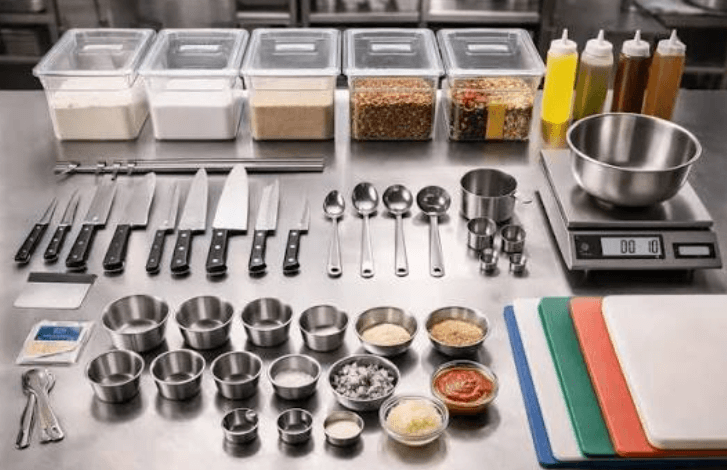
Professional kitchens depend on equipment that can make preparation faster, cleaner, and more consistent. From cafés and bakeries to restaurants and catering businesses, the right tools can have a noticeable effect on daily workflow. This is especially true for kitchens that regularly prepare whipped cream for desserts, beverages, pastries, and decorative presentations.
Choosing appropriate equipment requires more than looking at price or appearance. Businesses should consider compatibility, food-use suitability, durability, maintenance, storage, and staff training. A thoughtful approach can help kitchens avoid unnecessary equipment problems while creating a smoother preparation process.
For businesses researching a suitable cream charger supplier understanding these considerations can make the selection process more practical and informed.
Why Reliable Kitchen Equipment Matters
Kitchen equipment is used repeatedly, often under demanding conditions. A busy café may need to prepare several desserts within a short period, while a bakery may use the same equipment throughout the working day.
Reliable equipment can support consistency. When staff have tools that function predictably, they can spend less time dealing with interruptions and more time focusing on food preparation and presentation.
Reliability also involves maintenance. Even well-designed equipment requires proper cleaning, inspection, and storage. Establishing these routines can extend the useful life of kitchen tools and help maintain food-safety standards.
Understanding Cream Preparation Systems
A typical whipped-cream setup includes a dispenser and a compatible culinary charger. The dispenser is designed to hold and dispense the prepared cream, while the charger provides the gas necessary for aeration.
These components work as a system, meaning compatibility is essential. Kitchen staff should always review the manufacturer’s instructions before using a charger with a dispenser.
Different dispensers can have different capacities and operating requirements. Selecting a component without checking these specifications may lead to poor performance or inappropriate use.
Factors to Consider When Selecting a Supplier
Businesses should evaluate suppliers from several perspectives rather than focusing on one feature.
Product suitability
The products should be intended for legitimate culinary applications and appropriate for the equipment being used. Clear product information can make this evaluation easier.
Consistency
Professional food businesses need predictable performance. A supplier that provides consistent products can help businesses maintain their preparation standards.
Product information
Clear instructions, specifications, and handling guidance are useful when introducing equipment into a commercial kitchen.
Customer support
For businesses using equipment regularly, accessible support can be valuable if questions arise about compatibility, storage, or general operation.
Responsible practices
Suppliers and users should emphasize appropriate culinary use, safe handling, and compliance with applicable requirements.
Matching Equipment to Business Needs
A small café and a large catering company may have completely different requirements.
Before choosing equipment, businesses should consider their average preparation volume, available storage space, existing dispensers, and staff workflow.
A useful evaluation might include:
- Daily or weekly usage
- Equipment capacity
- Compatibility with existing tools
- Ease of cleaning
- Storage requirements
- Staff familiarity
- Workplace safety procedures
This helps businesses select equipment based on actual needs rather than buying products that may not fit their operation.
The Role of Food Safety
Food-contact equipment needs appropriate hygiene practices. Cream dispensers should be cleaned regularly and handled carefully between preparation cycles.
Residue can collect around small components, including nozzles, seals, and valves. Following the manufacturer’s cleaning instructions can help maintain cleanliness and equipment performance.
Ingredients should also be stored under suitable food-safety conditions. For refrigerated cream, maintaining an appropriate temperature is an important part of preparation.
Good hygiene should be treated as a routine part of kitchen operations rather than something that is only addressed when a problem occurs.
Safe Use of Pressurized Culinary Products
Culinary chargers contain compressed gas, so they require careful handling.
Users should follow the manufacturer’s instructions and avoid exposing chargers to excessive heat, direct sunlight, impact, or other damaging conditions. Pressurized containers should never be punctured, altered, heated, or deliberately damaged.
Staff should also understand the intended purpose of the product. Culinary chargers are designed for specified food-related applications and should not be modified or used for unrelated purposes.
Clear workplace procedures can help employees understand how such products should be stored, handled, and disposed of.
Building an Efficient Kitchen Workflow
Good equipment becomes more useful when it is incorporated into an organized workflow.
A kitchen can designate a specific preparation area for dessert equipment. Chargers and dispensers can be stored in appropriate locations, while cleaning supplies can remain accessible.
Staff can then follow a simple process:
- Check the equipment before use.
- Prepare the required ingredients.
- Assemble the dispenser according to its instructions.
- Complete the culinary preparation.
- Clean the equipment after use.
- Store components appropriately.
This type of routine can reduce confusion and improve consistency between employees.
See also: Therapy Mist Pedicure Chair Models: Selecting the Right System for Your Spa Vision
Training Employees
Staff training is another important consideration for commercial kitchens.
Employees should understand how the dispenser operates, which chargers are compatible, how the equipment should be cleaned, and how pressurized components should be stored.
Training does not need to be complicated. A short demonstration followed by written instructions can often provide a useful foundation.
Businesses can also keep manufacturer documentation available for employees who need to check specific operating or maintenance requirements.
Common Selection Mistakes
One common mistake is choosing equipment based solely on cost. A cheaper option may not necessarily provide the compatibility, durability, or consistency required for commercial use.
Another mistake is overlooking maintenance. Equipment that is difficult to clean may become inconvenient over time, especially in a busy kitchen.
Ignoring storage requirements can also create problems. Pressurized culinary products should be stored responsibly and according to manufacturer guidance.
Finally, businesses should avoid assuming that every dispenser and charger is interchangeable. Compatibility should always be confirmed before use.
Making a Long-Term Decision
A good purchasing decision should consider both immediate requirements and future use.
If a café expects its dessert menu to expand, for example, it may want equipment that can support a broader range of culinary applications within the manufacturer’s intended specifications.
Businesses should also consider how easily employees can learn to use and maintain the equipment. Simple, well-documented procedures can make onboarding new staff easier.
The goal is not necessarily to select the most expensive equipment. Instead, businesses should choose products that fit their actual workflow, support consistent preparation, and can be handled responsibly.
FAQs
1. What should a business consider when choosing a culinary charger supplier?
Businesses should consider product suitability, equipment compatibility, consistency, product information, customer support, and responsible handling practices.
2. Why is dispenser compatibility important?
Chargers and dispensers are designed to work with specific systems. Checking manufacturer specifications helps ensure appropriate operation.
3. How can a kitchen improve equipment safety?
Regular staff training, proper storage, routine cleaning, equipment inspection, and following manufacturer instructions can all contribute to safer kitchen operations.
Conclusion
Selecting dependable culinary equipment is an important part of maintaining an efficient professional kitchen. Businesses should look beyond price and consider compatibility, quality, hygiene, maintenance, storage, and staff training.
A well-organized approach can help cafés, restaurants, bakeries, and catering businesses maintain consistent preparation while using their equipment responsibly. By choosing suitable products and following clear operating procedures, kitchens can create a more reliable workflow for everyday dessert preparation.