Plenty of businesses decide the size of a leaflet campaign by counting the boxes left over from the printer. That approach puts quantity ahead of audience, and door-to-door leaflet distribution planned this way often lands in streets that were never likely to respond. The budget gets used, but the right people may barely see the offer.
A better starting point is the audience itself. Well-planned door-to-door leaflet distribution works out who you need to reach, where those households sit and how many homes that covers, then sets the print run to match. That shift keeps every copy working toward a clear goal, whether that goal is borough-wide awareness or a handful of high-value streets.
When Leaflet Numbers Drive the Plan Instead of the Audience
Leftover Stock Makes a Poor Targeting Tool: Campaign size should follow the intended audience, because a print run chosen for convenience rarely matches the homes your customers live in. Extra copies get pushed into areas outside your service radius, while too few copies leave good streets half covered. Both outcomes reduce response and make the campaign look weaker than the offer deserves.
Mismatched Campaigns Distort Future Decisions: A poorly sized drop produces misleading results that can steer the next campaign in the wrong direction. In everyday distribution work, teams regularly meet businesses that dropped print after one scattered run and later learned the offer itself was sound, having lost months of local visibility. Proper media planning from the start links audience, area and quantity so the results reflect reality.
See also: A Practical Guide to Selecting Reliable Culinary Equipment
Broad Coverage and Selected Streets Serve Different Goals
Broad Area Coverage Builds Wide Recognition: Broad area coverage suits businesses that want as many local households as possible to recognise their name. A new restaurant, a cleaning company covering several boroughs or a national brand testing London all benefit from volume. Shared delivery keeps costs down for this kind of drop, though response per copy may run slightly lower than a solo delivery.
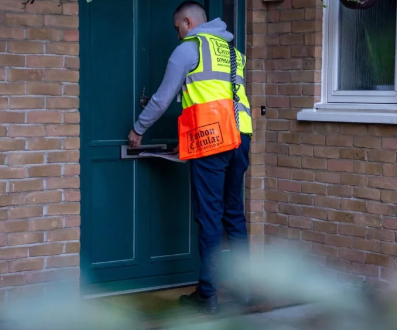
Selected Streets Deliver Precision for Focused Offers: Selected street delivery lets you choose the exact roads and houses that receive your leaflet, which suits businesses with a clear customer profile. An estate agent targeting owner-occupied terraces or a roofer focusing on older housing stock can avoid wasted copies entirely. Response matches solus delivery, and each round builds stronger reach and frequency within the chosen streets.
Focused Drops and Large Campaigns under One Plan
Small Local Drops Prove an Offer Cheaply: A focused local drop lets a business prove an offer in a few postcodes before committing to a wider spend. Around 10,000 copies in a tightly targeted area usually gives a fair read on response. A takeaway in Chingford or a tutor in Greenwich can start small and expand once the numbers justify it.
Larger Campaigns Reach Across London and Beyond: Larger campaigns can cover multiple boroughs across Greater London and the surrounding counties, with national distribution available through partner networks. A family-run team with three generations of experience and supervised, long-serving distributors plans routes from Romford to Richmond. Keeping small and large drops with one provider also keeps standards and reporting consistent as you grow.
Seeing How Agreed Coverage Became Actual Delivery
GPS Route Maps Show Where Distributors Walked: GPS route maps show the exact path each distributor took, so you can compare the agreed coverage with what happened on the ground. If a campaign covered twelve streets on the plan, the map should show twelve streets walked. This turns delivery from something you trust into something you can check for yourself.
Reports and Back Checks Strengthen Accountability: Tracker reports are available on every plan, and back checks can be requested for an extra layer of confirmation. Together they make door-to-door leaflet distribution measurable, which helps when comparing response between areas or planning the next round. Clear reporting also means problems get spotted quickly rather than discovered weeks later through a disappointing response.
Points to Settle Before Choosing Your Campaign Size
A little preparation makes door-to-door leaflet distribution far more effective, whether you are planning a single street or several boroughs. These practical considerations help you set a campaign size that matches your audience, and they are easy to talk through with a distributor during a free consultation before any leaflets are printed.
- Define your audience first, then count the homes that fit it.
- Choose broad coverage for recognition and selected streets for precision.
- Print to match the plan rather than planning around spare stock.
- Ask for GPS route maps to confirm the agreed coverage.
- Track responses by area to guide the size of future drops.
Matching Every Drop to the Market You Serve
A campaign sized around its audience spends money where it can earn a response. Broad drops build familiarity across wide areas, selected streets win customers in tightly defined patches, and verified routes confirm that the plan was carried out. Put together, these choices turn print into a measured channel you can refine with every round.
Carefully scaled door-to-door leaflet distribution puts your offer in front of the households most likely to act on it. Holding off only gives nearby competitors more time to become the name residents remember. The sensible next step is a free consultation to size your campaign and choose the right streets. Get in touch today for a free quote.