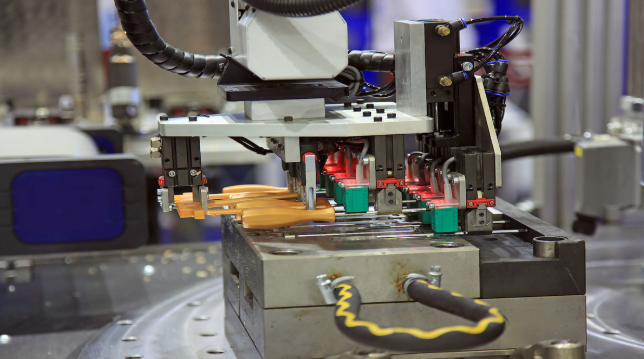
Plastic processing facilities need equipment plastic grinding machine suppliers that can handle demanding workloads while producing consistent material. Grinding and pulverizing systems play an important role in preparing plastic waste and production scrap for reuse.
Choosing the right machine involves more than comparing motor power or purchase price. Production requirements, material type, desired output, maintenance, and safety should all be considered.
Start With the Material
Before selecting a grinding machine, operators should identify the plastic material being processed.
Questions may include:
- Is the material rigid or flexible?
- What is its thickness?
- Is it clean or contaminated?
- What particle size is required?
- How much material must be processed per hour?
- Will the output be reused immediately?
These answers help determine the appropriate machine configuration.
Capacity and Throughput
Industrial buyers should distinguish between theoretical capacity and practical throughput.
Actual production may depend on material properties, feed consistency, moisture, temperature, screen configuration, and operator practices.
A machine that appears suitable based on a maximum capacity figure may not achieve that output under every operating condition.
Testing with representative material can provide more useful information.
See also: A Practical Guide to Selecting Reliable Culinary Equipment
Grinding Versus Pulverizing
Different processes are suitable for different particle-size requirements.
Grinding generally reduces larger pieces into smaller particles, while pulverizing can produce much finer material depending on the machine design.
The downstream application should determine which process is appropriate.
Selecting a Supplier
When evaluating plastic grinding machine suppliers, buyers should consider technical support as well as equipment specifications.
A supplier should ideally be able to explain:
- Machine capacity
- Suitable materials
- Recommended feed size
- Output range
- Maintenance requirements
- Replacement parts
- Safety procedures
- Installation requirements
Good technical support can simplify machine commissioning and future maintenance.
Blade and Grinding-System Design
The cutting or grinding mechanism has a direct effect on processing performance.
Different materials may require different blade configurations, grinding surfaces, or operating speeds.
Wear also needs to be considered. Components that process abrasive materials may require more frequent inspection and replacement.
Controlling Output Size
Screens and other control mechanisms can influence the final particle size.
A consistent output can be important when recycled material is later used in extrusion, injection molding, or compounding.
Operators should select settings according to the requirements of the downstream process rather than simply aiming for the smallest possible particle.
Managing Heat
Some plastics can soften or melt when exposed to excessive friction and heat.
Machine design, operating speed, cooling systems, and feed rates can all influence temperature.
If material begins to soften during processing, output quality may decline and equipment performance may be affected.
Maintenance Planning
Preventive maintenance is essential for industrial grinding equipment.
Operators should monitor unusual vibration, noise, temperature, throughput changes, and visible wear.
Scheduled maintenance can reduce unexpected downtime and help maintain stable processing quality.
FAQs
What should be considered when selecting a plastic grinder?
Material type, capacity, output size, machine design, energy consumption, maintenance, and safety are key considerations.
Why is supplier support important?
Technical assistance can help with installation, configuration, troubleshooting, replacement parts, and long-term maintenance.
Can plastic processing create heat?
Yes. Friction and mechanical action can generate heat, particularly when processing certain materials at high throughput.
Conclusion
Choosing plastic-processing machinery requires a complete understanding of the material and production process. Capacity, particle size, machine configuration, cooling, maintenance, and safety all influence the final result.
By evaluating equipment based on actual operating requirements and selecting a supplier capable of providing technical support, manufacturers can create a more dependable and efficient processing operation.