Flooding can be a devastating event for any household, leaving a trail of damage and chaos in its wake. As homeowners grapple with the aftermath, the decision between tackling the cleanup themselves or hiring professional services becomes paramount. The choice can significantly impact not only the efficiency of water removal but also the safety and structural integrity of the home. This article will explore the effectiveness of DIY flood water extraction compared to professional Flood Water Removal Services, so you can make an informed decision that aligns with your needs and circumstances.
DIY Flood Water Extraction Techniques for Homeowners
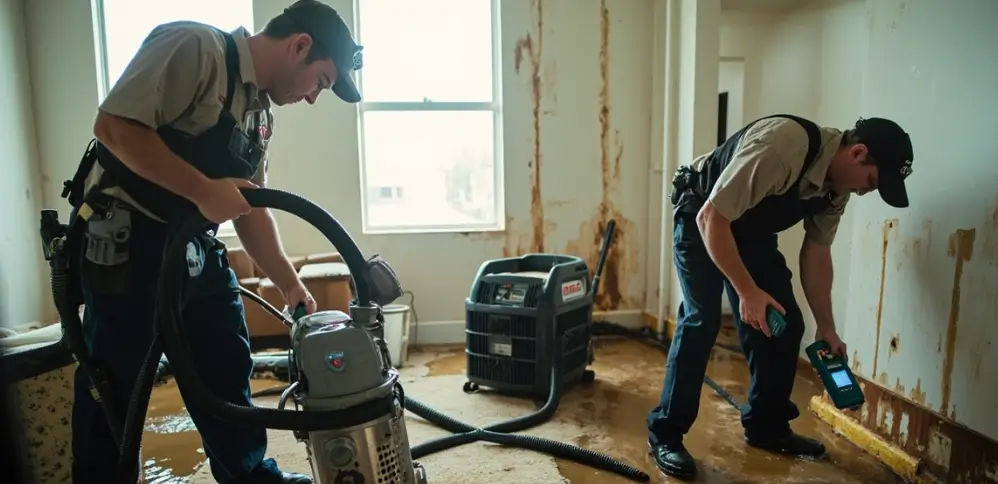
For those inclined to handle flood cleanup themselves, several DIY techniques can be employed. One common method is the use of wet/dry vacuums, which are often found in many households. These vacuums can be effective for small-scale water extraction, especially when combined with absorbent materials like towels and mops to tackle residual moisture. However, homeowners should be cautious of the vacuum capacity and ensure electrical safety during use.
Another approach is to leverage fans and dehumidifiers to accelerate the drying process. This method is particularly useful for reducing humidity and preventing mold growth, which can compromise indoor air quality. According to experts, maintaining a dry environment is crucial in preventing long-term damage and health risks associated with mold exposure.
Additionally, creating a systematic approach, akin to a Family Disaster Plan Development, can aid in organizing and executing water extraction efficiently. By assigning tasks and ensuring everyone is equipped with the necessary tools, families can manage the situation more effectively.
Professional Flood Water Removal Services Explained
Opting for professional services involves hiring experts who specialize in water damage restoration. These professionals utilize advanced equipment like industrial-grade pumps and high-power fans to remove water swiftly and thoroughly. A key advantage of professional services is their ability to conduct a comprehensive assessment, similar to a Thermographic Inspection, to identify hidden moisture pockets that could lead to future issues.
Moreover, professionals are trained to handle hazardous conditions associated with floodwaters, such as household hazardous waste disposal. Floodwaters can often be contaminated, posing health risks that experts are equipped to manage safely. As a result, professional services not only focus on water removal but also ensure that the home environment is safe and habitable post-cleanup.
Professional services also offer the benefit of expertise in preventive measures, akin to Childproofing Assessment, ensuring that similar incidents can be mitigated in the future. Their experience in dealing with varied flood scenarios allows them to implement strategies that safeguard the home from future water damage.
Comparing Cost and Time Efficiency of Each Method
When evaluating the cost and time efficiency of DIY versus professional services, it’s important to consider both immediate and long-term expenses. DIY methods typically incur lower upfront costs as homeowners use existing household tools and equipment. However, the time investment can be substantial, particularly if the flood damage is extensive.
In contrast, professional services may have higher initial costs, but they often complete the cleanup more quickly and effectively. This is crucial in minimizing further damage and reducing repair costs in the long run. According to industry analysis, professional intervention can significantly decrease the time to restore a home to its pre-flood condition, saving both time and potential repair expenses.
For homeowners with limited time or those dealing with extensive damage, professional services might offer better value. The assurance of thorough cleaning and safety compliance, akin to Lead-Based Paint Compliance, often outweighs the initial investment.
Safety Considerations in Flood Water Cleanup Processes
Safety is a paramount concern in flood water cleanup. DIY efforts may expose homeowners to risks such as electrical hazards and exposure to contaminated water. It’s essential to wear protective gear and ensure that electrical systems are turned off before beginning the cleanup process. Additionally, regular assessments, similar to Indoor Air Quality Testing, can help monitor the environment for potential health risks during and after the cleanup.
Professionals are well-versed in these safety protocols and equipped to handle hazardous situations effectively. Their training ensures that safety measures are consistently applied, minimizing risks to both the home and its inhabitants. Furthermore, they can provide guidance on maintaining a safe environment post-cleanup, much like a Smart Home Integration Specialist enhances home functionality and safety.
By choosing professional services, homeowners can rest assured that safety protocols are upheld, providing peace of mind during a challenging time.
Conclusion
Choosing between DIY flood water extraction and professional Flood Water Removal Services depends on various factors, including the scale of damage, available resources, and personal preferences. While DIY methods can be cost-effective for minor incidents, professional services offer comprehensive solutions, ensuring efficiency and safety. For families prioritizing thoroughness and peace of mind, professional services provide a reliable option for effective flood management.