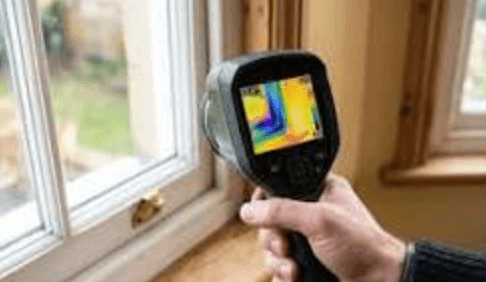
Electrical system failures often develop gradually before causing sudden, costly outages, making the predictive maintenance capability a thermal inspection camera provides genuinely valuable for facilities seeking to identify developing electrical problems before they escalate.
Why Electrical Connections Represent a Particularly Valuable Thermal Inspection Target
Loose or corroding electrical connections genuinely generate detectable heat well before they fail catastrophically, making these specific inspection points particularly valuable targets for thermal imaging within broader predictive electrical maintenance programs.
How Regular Inspection Intervals Support Trend Identification Rather Than Single-Point Assessment
Rather than relying on a single inspection snapshot, establishing regular thermal inspection intervals allows facilities to track temperature trends at specific connection points over time, identifying gradual degradation patterns that a single inspection alone might not adequately reveal.
Why Proper Load Conditions During Inspection Genuinely Affect Result Reliability
Thermal inspection results depend considerably on the electrical system actually operating under representative load conditions during the inspection, making inspection timing and load verification genuinely important considerations for obtaining reliable, actionable diagnostic results.
For facilities implementing this maintenance approach, this overview of a thermal inspection camera covers the capability relevant to supporting effective predictive electrical maintenance programs.
See also: Digital Heatlh Records Explained
Frequently Asked Questions
How often should electrical systems typically undergo thermal inspection for effective predictive maintenance?
This varies by facility criticality and electrical system age, though many facilities establish annual or semi-annual inspection intervals as a reasonable baseline.
Does thermal inspection genuinely need to occur under actual operating load conditions?
Yes, inspecting under representative load conditions genuinely affects result reliability, since developing faults often only generate detectable heat under actual current flow.
Can thermal inspection alone provide complete electrical system health assessment?
It provides valuable diagnostic information but works best as one component within a broader electrical maintenance program rather than a complete standalone assessment method.
Final Thoughts
Regular thermal inspection under proper load conditions genuinely supports predictive electrical maintenance, helping facilities identify developing connection problems before they cause costly unplanned outages.