Anyone who has lived in the Pacific Northwest during winter knows what to expect. It starts to rain in October. November rains persist. In February, when you step onto the grass of your lawn, it feels wet and soft.
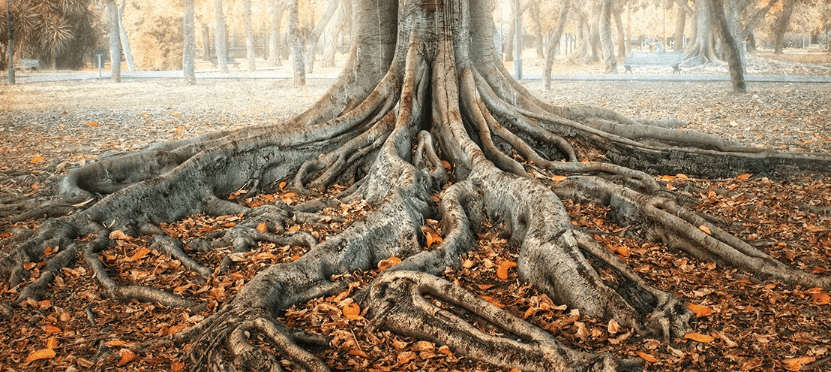
You can see that the grass is wet. However, you cannot see that all those months of rains have affected the roots beneath your huge 60-foot tree near your house.
Roots Breathe Oxygen, Not Water
It comes as a surprise to many that roots actually breathe. Roots inhale oxygen from the air spaces in the soil. When water saturates the air spaces for months, the roots fail to get their air.
If you have read the tree care guides on urbantimbertree.com, you have seen how problems often show up in spring. The tree’s top gets thin. Leaves turn yellow. A tree can even lean after a storm, even if the storm was small. The harm started months before, under the ground, where no one was looking.
The University of Minnesota Extension says the wet soil stops roots from getting the air they need. The fine feeder roots die first. These roots do most of the work to take in water and food for the tree. If you lose a lot of them, the tree gets weak from the ground up. This can happen even if you see the tree in water.
Soggy Soil Loses Its Grip
Here is the second problem. This is the one that puts trees on top of houses.
Dry soil squeezes roots tight. It’s like concrete grabbing a fence post. Soaked soil is more soft. It feels like pudding. When wind blows on full trees, roots can’t hold them in place. A whole section of roots can pull away. Foresters name this windthrow.
Evergreens face more risk because they keep their needles in winter. A Douglas fir can catch the wind in January, which is when the soil is at its softest. Trees with shallow roots that grow over packed soil, clay, or wet areas are in even more danger.
Rot Moves In Behind the Water
Long rainy seasons also help root rot fungi to grow. Roots that are weak and do not get enough oxygen can’t stop infection as well. Decay can keep spreading for years before you see any signs above the soil.
When you finally do, it usually looks like:
- Mushrooms or conks at the bottom of the trunk
- A canopy that gets a bit thinner every year
- Dead branches found up high in the crown
- Soil cracking or heaping up on one side of the tree
What You Can Actually Do About It
It’s not possible to stop rain. However, it is possible to prepare trees to endure it.
- Regulate the water level. Redirecting the water from the downspouts is also advisable. If the water stays on the ground near the tree for a week after the rains, contact professionals to consider the option of changing the grade of the land and installing a drain.
- Remove heavy objects from the roots and do not use any machinery on wet ground because the air spaces that are necessary for the roots to breathe will be squashed.
- Apply mulch but not excessively. It is enough to apply two to three inches of mulch (wood chips), and it should be kept from touching the trunk of the tree.
- Protect your trees from stormy weather. You can find out about the decay of roots during a fall inspection. After this you will have time to prepare for pruning of the crown of the tree or its removal.
If you want to read something that makes you think about why trees that look healthy still get taken down, this essay on when trees fall is good. It’s different from the usual technical guides.
The Bottom Line
Rain helps trees, but too much over time can hurt them. When roots stay covered, and the soil gets soft, problems can start. Rot can creep in without people seeing it. Many people find out something is wrong only when a tree falls down. If your yard keeps wet for several weeks every winter, book a fall inspection at urbantimbertree.com. This way, you can see what’s happening below the surface before strong winds come.